
This week, we’ve read The Bug Collector by Alex Griffiths. (This is a YouTube link. Top tip for watching YouTube with your child: go to the settings cog along the play bar and turn off autoplay – this avoids an inappropriate clip coming up automatically, and helps to discourage your child from passively watching clip after clip).
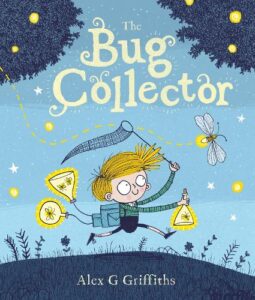
The story follows George as he visits a wildlife museum and discovers the fascinating world of bugs. Inspired by his visit, he collects the minibeasts from his garden and keeps them in jars, but soon realises that they are not very happy away from their natural habitat.
After reading the story, the children became minibeast explorers in our own garden. They loved searching for different creatures and learning more about them, while also understanding the importance of caring for living things. The children made sure to return all of the minibeasts safely back to their natural habitats afterwards.
Help at home: Why not go on a bug hunt in your garden or when visiting the park? Look carefully under logs, leaves and plants to spot different minibeasts in their natural habitats. Encourage your child to talk about what they can see – What does the bug look like? Where is it living? How does it move? What colours and patterns can they notice?
Please remember to handle any creatures gently and return them safely to where they were found.
Maths – Composing 5
In Maths, we’ve been composing 5 and exploring the different parts that make the whole number using the song ‘5 Little Kittens’. (It’s a bit like 5 little monkeys jumping on the bed!)
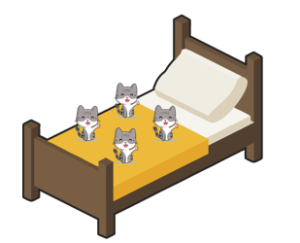
We used full sentences to explain what we could see in the picture and showed this using our fingers as we sang the different verses of the song. For example: “There are three kittens on the bed and there are two kittens under the bed. There are five kittens altogether.”
In provision, we had to work out how many bees were missing from the hive. Each hive had to have 5 bees.
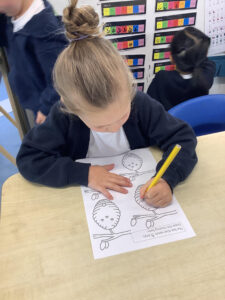
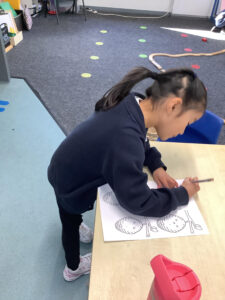
Help at home: Try playing a simple game at home using 5 objects. To make it a little easier, use matching objects such as pieces of pasta or the same coloured pegs. Hide some of the objects behind your back and ask your child to work out how many are hidden by looking at how many they can still see.
Phonics
This week, we’ve focused on Phase 4 words with short vowels and longer words. The children have practised reading words such as stamp, crisp, string and script, while continuing to build confidence with blending and reading fluently.
We’ve learnt the tricky words: were, here, little, says.
Help at home: Continue to practise reading all of the phonemes that we have learnt so far, and encourage your child to read and write some of the words and sentences from the ‘Learn at Home’ sheet to help consolidate their learning.
Poetry Basket
One week in every half term, we focus on a traditional nursery rhyme. This week we’ve been reciting Sing a song of sixpence.
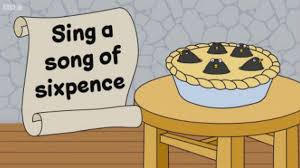
We learned the meanings of some new vocabulary from the rhyme, including sixpence (an old English coin), rye (a grain used to make flour), parlour (a sitting room in a house) and dainty (delicate, small or pretty).
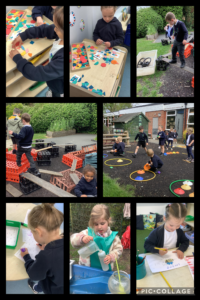
And finally, here are a few photos of our learning in Reception this week!
Reminders
- We’d still love to receive donations of compost, pot plants or herbs that we can plant in our Early Years garden. Thank you in advance if you’re able to contribute.