
Happy Holidays
We say it every year, but we can’t quite believe it’s already the end of term!
Thank you for all of your kind words, cards and gifts this week. We hope that you all have a great Summer holiday and we’ll look forward to seeing some of you in Nursery in September and some of you, next door in Reception! We’d also like to say good bye to those children that are moving to other schools – we hope that you love your new school and make lots of new friends
Don’t forget Nursery opens for our returning children on Monday 08 September 9 -12 ( please follow the information in your transition letter)
Have a fantastic summer holiday.
Nursery team
Over and out 2C!
What a fantastic year we’ve had! THANK YOU so much to my wonderful class for a year full of brilliant learning and memories I won’t forget. It has been an absolute pleasure. Here are some of my favourite memories of our time together.
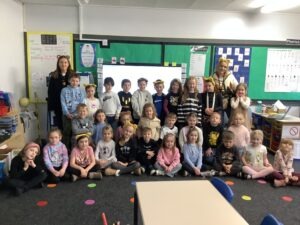
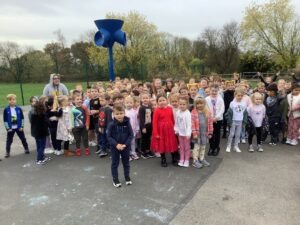
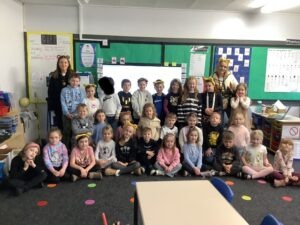
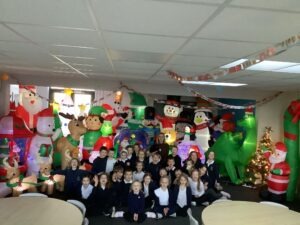
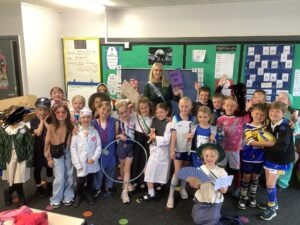
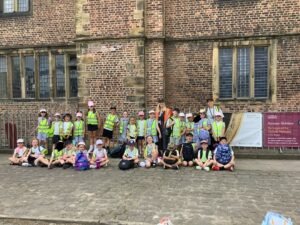
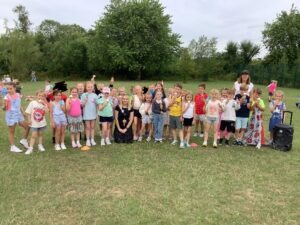
Good luck in Y3, you’re going to be amazing!
Miss Young x 🙂
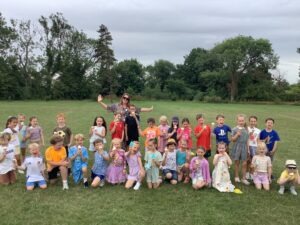
1A-Beach Party Fun!
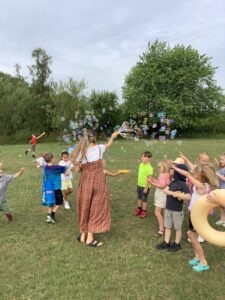
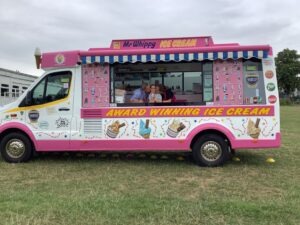
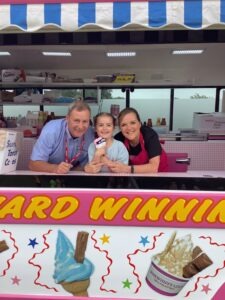
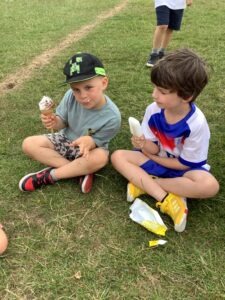
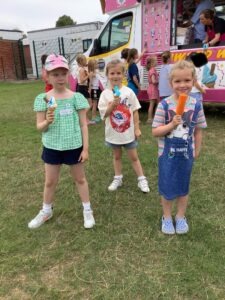
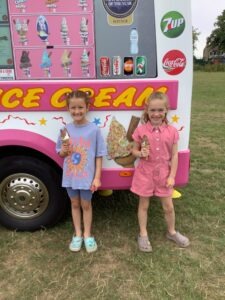
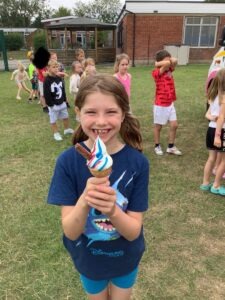
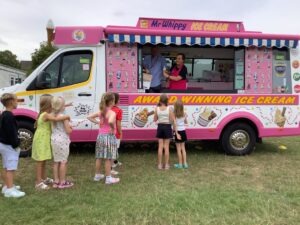
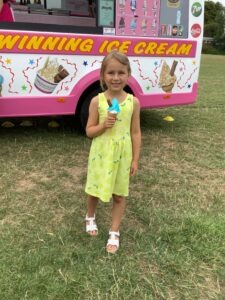
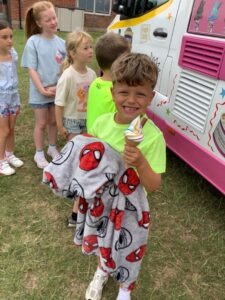
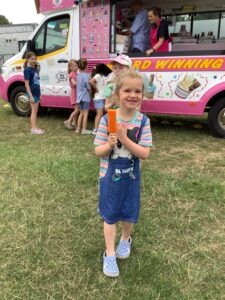
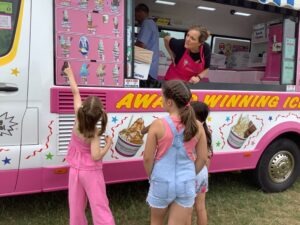
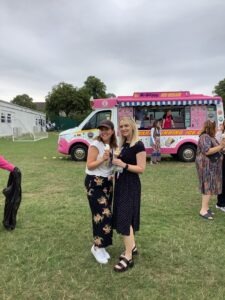
We have had the most amazing day! Playing is what we do best. A HUGE, heartfelt THANKYOU to ‘Mr Whippy Leeds’ for treating ALL of KS1 to an ice cream or lolly of their choice! (The teachers enjoyed their treat too!)
The photos will speak louder than words…
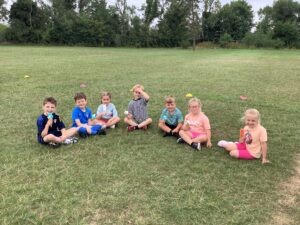
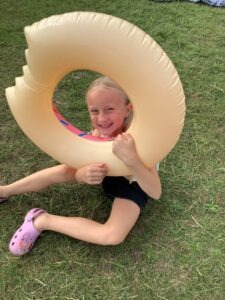
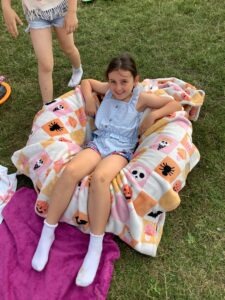
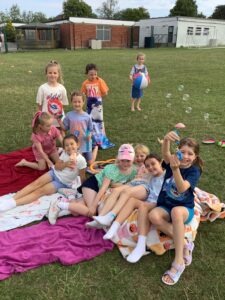
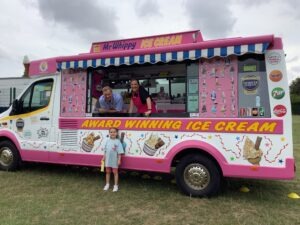
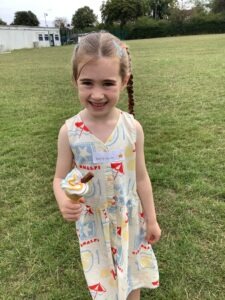
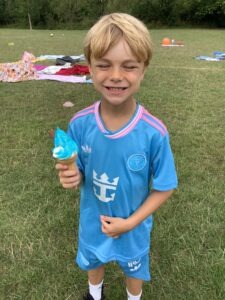
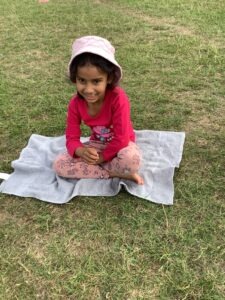
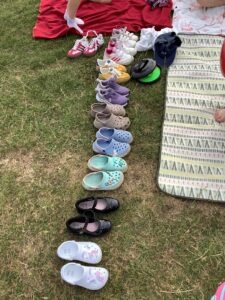
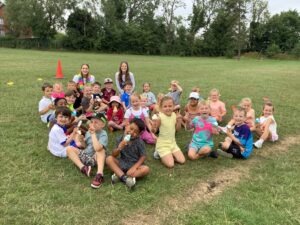
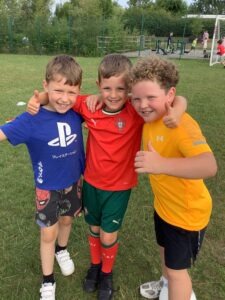
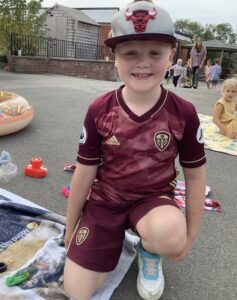
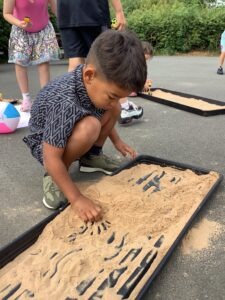
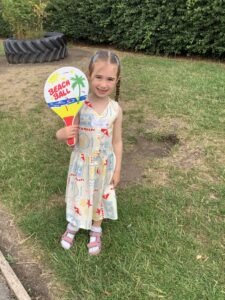
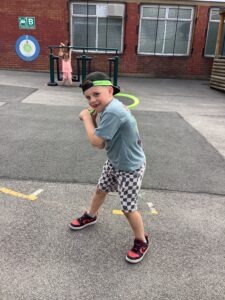
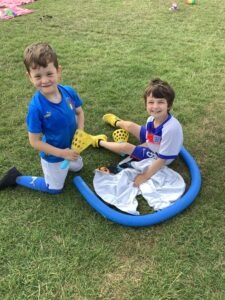
Beach party!
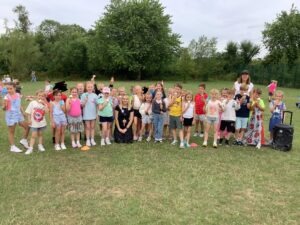
What an amazing day – better than going to the actual beach. There were games, toys, snacks and an ice-cream van! Thank you so much to Mr Whippy Leeds who came to give us all an ice-cream – what a treat!
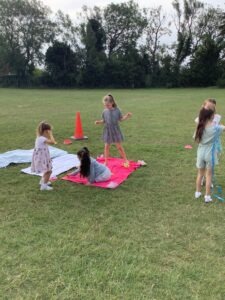
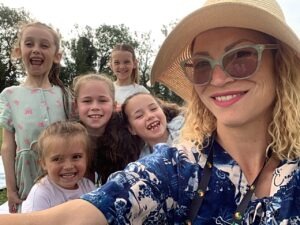
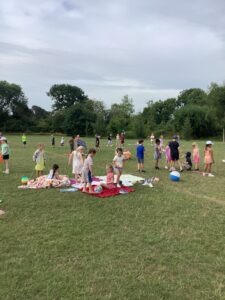
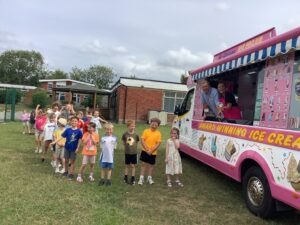
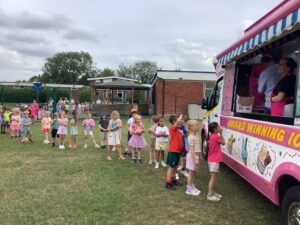
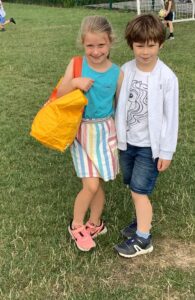
2C Best day ever!
We all had a wonderful time at our beach party today. Thank you so much to Mr Whippy for making our day and providing us all with an ice cream and ice lollies!
Design & Technology: Egg Cart Testing
This week, chidren in 5/6 have been testing their egg carts. After testing in the class room on a shorter ramp, all the eggs survived. We needed a bigger ramp! The slide provided the perfect vessel for our sudden impact test into a wall (a table) Unfortuantely, while the egg carts ran smoothly, There were some eggstreme crashes leading to some eggsplosions!


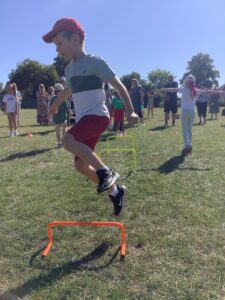
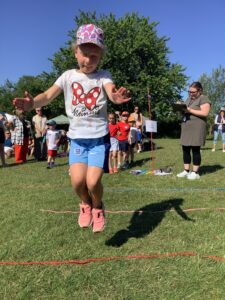
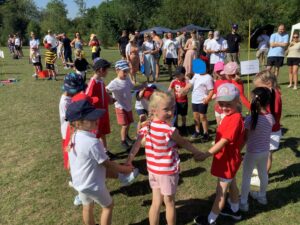
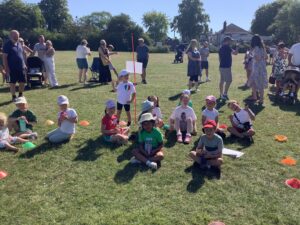
Sports Roundabout
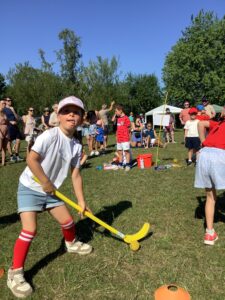
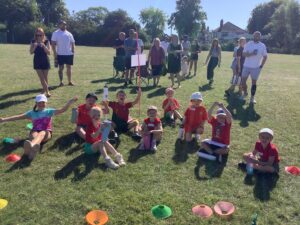
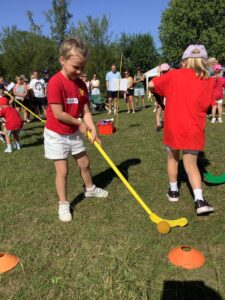
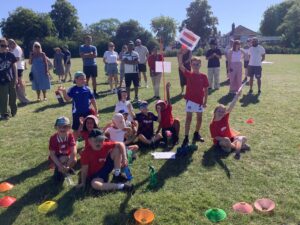
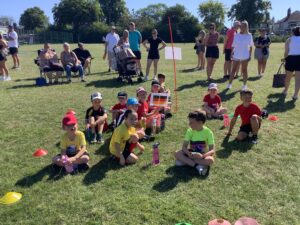
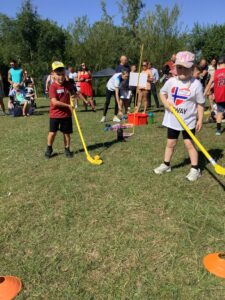
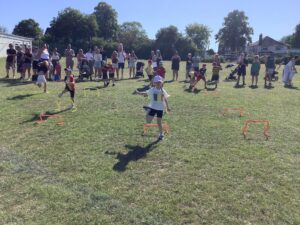
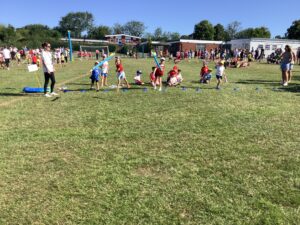
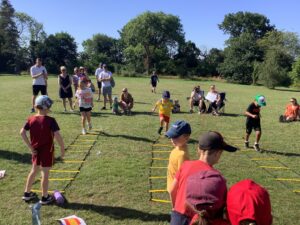
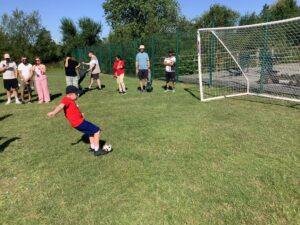
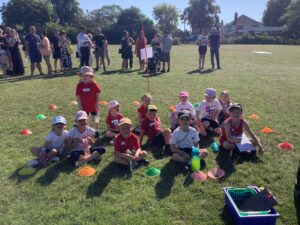
Team Norway was victorious at the Sports Roundabout but the main purpose was to enjoy ourselves, and we did that!
The weather was just about bearable while we jumped, ran kicked and threw our way around the field.
Thanks to all the families who came to support their children.
Being healthy week
What a fantastic week we have had in school. The sun has been shining, the temperatures have been warm, but we’ve not let the heat stop us from lots of learning and having fun!
We have learnt all about keeping our body and mind healthy in lots of sessions this week. Take a look at what we’ve been up to!
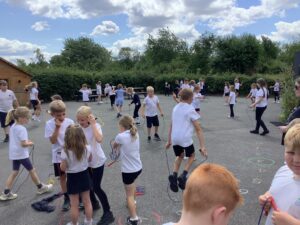
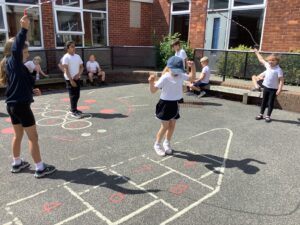
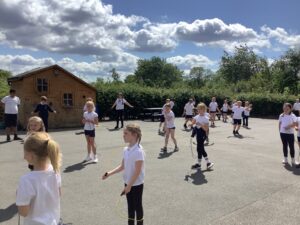
Skipping with Year 3/4
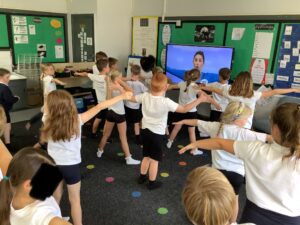
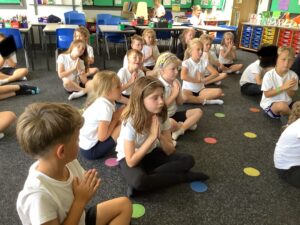
Classroom yoga and mindfulness activities
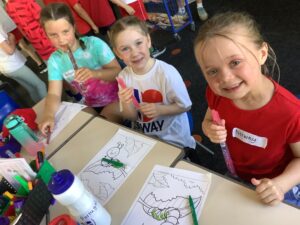
Sun safety
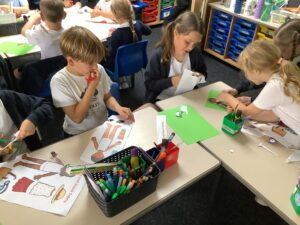
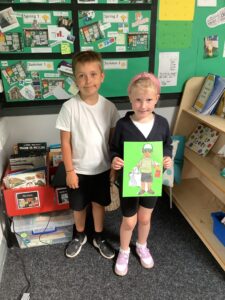
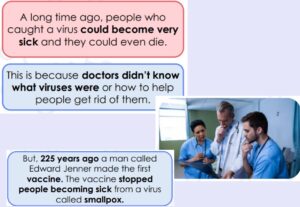
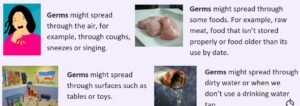
Vaccinations and germs
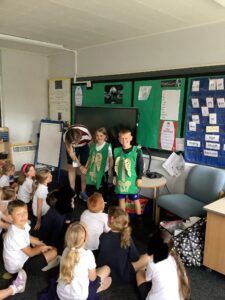
Learning about how our body works with D:side
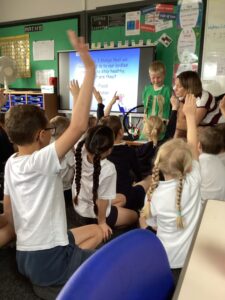
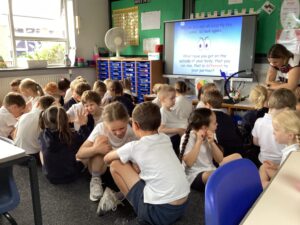
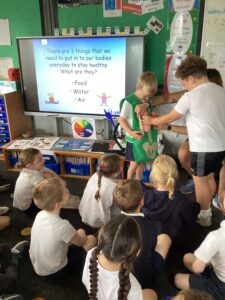
Keeping our teeth clean
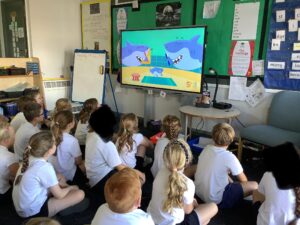
Flex dance
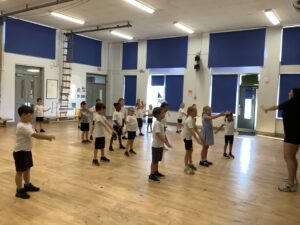
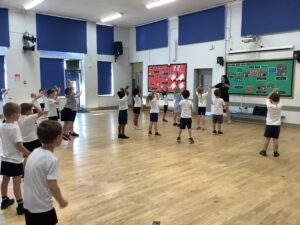
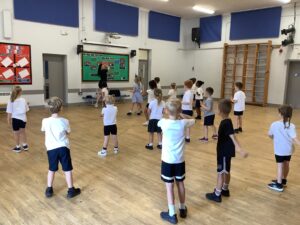
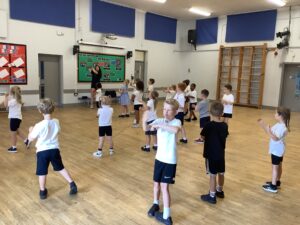
Help at home: by talking to your child at about how to keep our bodies and minds healthy and talk about the importance of this. Find time to do physical exercise and mindfulness activities where possible and spend time outside!
Being Healthy
This week, we’ve been learning all about Being Healthy and Reception have thoroughly enjoyed joining in with a range of themed activities.
Tuesday – Online Assembly
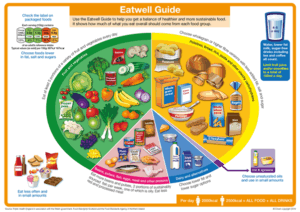
We kicked off the week by joining other classes across Sphere Federation for an online assembly focused on healthy living. We explored the Eat Well guide and learned about the different food groups.
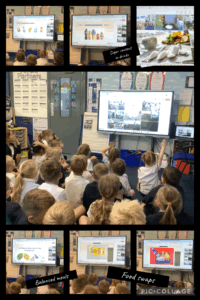
The children looked at various packed lunch examples and discussed simple ‘food swaps’ they could make to create a more balanced meal.
We also investigated the sugar content in drinks. Most children predicted that fizzy drinks would contain the most sugar – but they were surprised to discover that a milkshake had the highest amount. Seeing how many teaspoons of sugar were in the drink was quite a shock!
Wednesday – A Visit from d:side
We welcomed a visitor from d:side, who talked to us about our feelings and how to look after our bodies and stay healthy. These sessions are always engaging and informative and the children came away with lots of new ideas for making healthy choices.
Personal Best Challenge
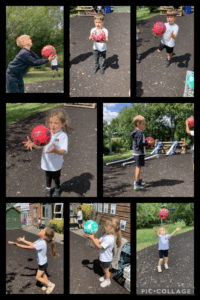
Throughout the week, we took part in our Personal Best Challenge. The children practised throwing and catching a ball, aiming to improve their score each day. It was wonderful to see their determination and how much they improved with daily practice. Well done, Reception – keep it up!
Literacy
This week, we read The Fish Who Could Wish. After reading, the children reflected on their own hopes and wishes as they look ahead to Year One. We had some very thoughtful (and imaginative!) ideas. In our writing, we wrote about some of the different things that we do to keep healthy.
Poetry Picnic
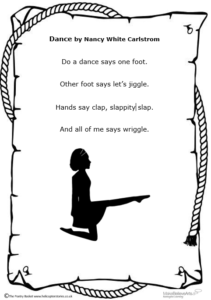
Each week, we learn and recite a new poem together. Saying poems aloud helps us hear the sounds and rhythms of words, which supports early reading skills. This week’s poem is Dance – ask your child to perform it for you!
We’ve learned so many poems this year – does your child have a favourite?
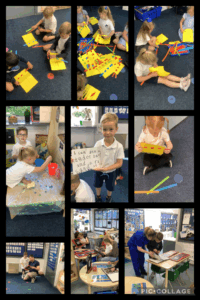
Other learning this week included weaving with paper, writing some super sentences and ‘fishing’ for words to practise our phonics skills.
Reminders
Swimming – Sunshine 16th July
Thursday 17th July Beach Party – Look out for a letter in your child’s book bag!
Carrier Bag – Please send a labelled bag on Thursday in order to send home your child’s books.
Being Healthy Week – Phase 3,4
What a fabulous week!
This week, the children have discussed the importance of keeping healthy physically and mentally by eating a balance of foods, exercising regularly, drinking plenty of water, getting a good sleep and by looking after their mental wellbeing.
We have also discussed the importance of personal hygiene including dental care. We’ve completed Personal Best challenges and on Wednesday morning, we got together as a phase to practise our skills for Sports Day.
Our visitors this week have included d:side, LS-TEN and Flex Dance. We’ve also joined an assembly about healthy eating.
What a way to finish this week with a fabulous, successful and very hot Sports Day! Well done to all of the children who took part, won events, challenged themselves and, most importantly, had fun. Thanks to everyone who came to watch!
Well done phase 3,4!


