
Design and Technology – Cooking
Over the last couple of weeks, the children have had a great time making and tasting leek and potato soup.
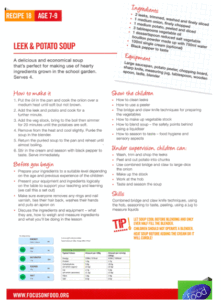
The children used knives safely to cut the onions, potatoes and leeks using the claw grip and bridge method. The children also discussed the importance of food hygiene.
At home, why not make this recipe?
Skipping School
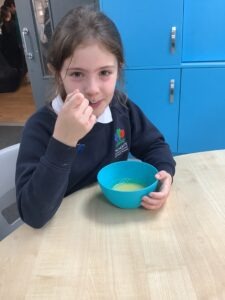
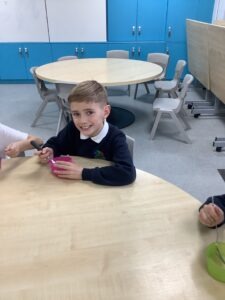
Last week, Years 3 and 4, had a fantastic afternoon with Skipping School leader – Chris. Chris took the children through each step, such as how to hold your skipping rope in a smile shape and when to jump after the rope clicks the floor. They then worked up to doing complicated straddle jumps and crossing the skipping ropes! The children were great and were really resilient (as it can be quite tricky!) while working together and encouraging one another.
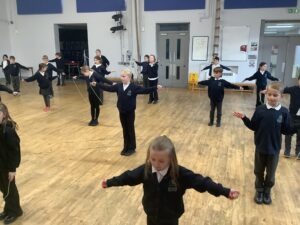
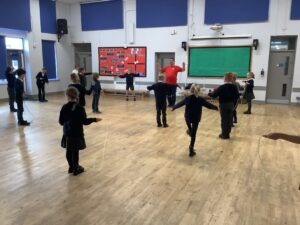
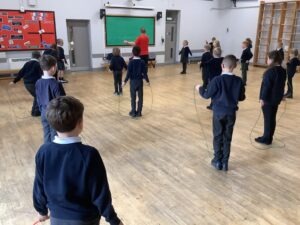
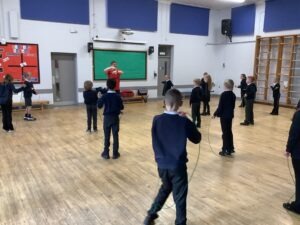
Some of Year 4 will be participating in the Skipping School Competition after Easter which is all about getting moving and having fun while doing so! We will be practicing the skipping skills we learnt today, up until that point.
Help at home by getting the children skipping.
Reading – Varjak Paw by S.F. Said
In recent Reading sessions, Year 3 and 4 enjoyed reading an extract from Varjak Paw by S.F. Said.
We practised key our retrieval and inference skills – two key aspects of reading.

Marshall came in on Monday and said, ‘I’ve bought Varjak Paw over the weekend so I continue reading the whole book!’
Help at home by reading every day with your child.
Living and Learning – Anti-bullying Day
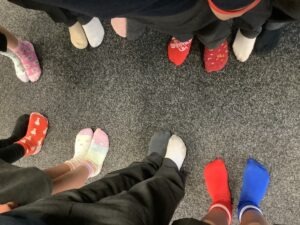
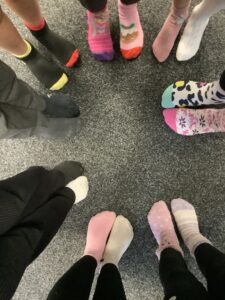
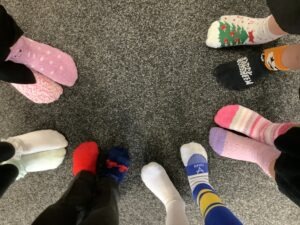
Today, we’ve worn odd socks to mark the start of Anti-bullying Week. We’ve celebrated the similarities and differences between us all.
This year, the theme for Anti-Bullying Week is about ‘Power for Good’, which encourages individuals to use their power to challenge bullying by speaking out, standing up for others and promoting kindness and inclusivity.
In our learning today, we’ve discussed:
-
- the anti-bullying policy
- what bullying is, the different types of bullying, the impact of bullying and what to do if someone is being bullied
- how friendships sometimes have ups and downs and how disagreements can be resolved
- the importance of being kind and respectful online and offline
We also enjoyed watching the BBC live assembly.
Help at home by talking to your child about their learning.
Key Stage 2 – Penny Trail
UPDATE!
A total of £76.48 was raised. Thank you!
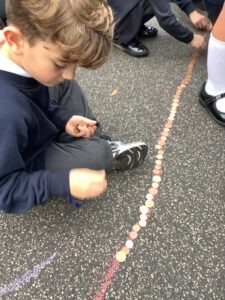
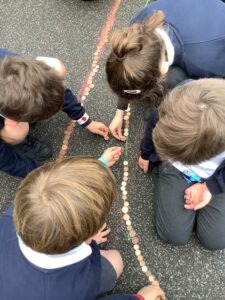
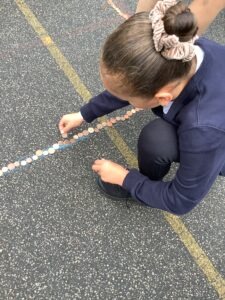
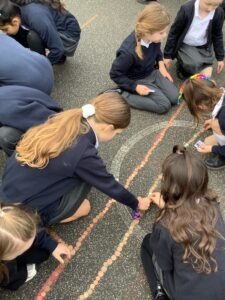
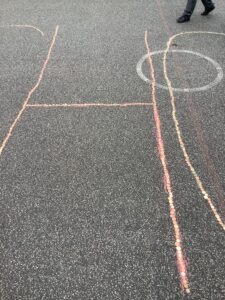
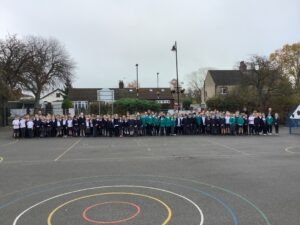
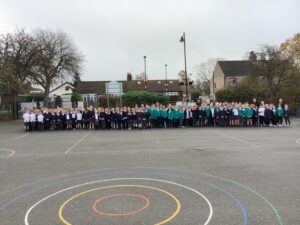
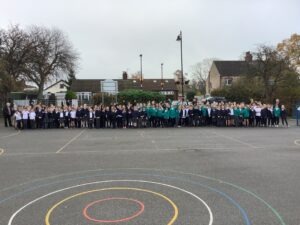
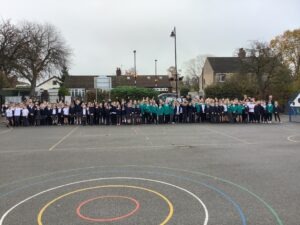
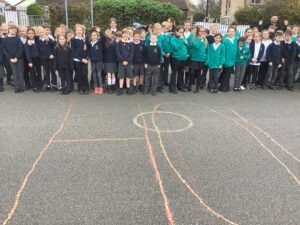
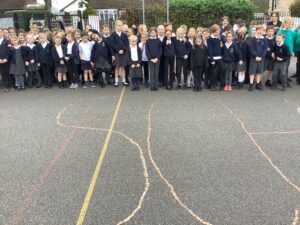
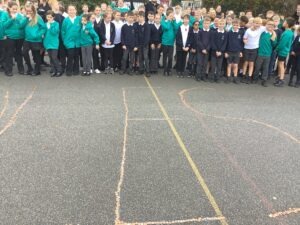
Today, KS2 enjoyed creating a penny trail using the money that was kindly donated to support the Willow Foundation.
Thank you to everyone who contributed.
We will announce next week how much money was raised.
Living and Learning – Me and My Money Week
This week, we have enjoyed the ‘Me and My Money’ themed week.
We have completed activities and learned about:
- spending choices based on priorities, needs and wants
- why people use current accounts and savings accounts
- how people can pay for things using cash or electronically
- how sometimes people save money and the reasons why they may save
- how sometimes people borrow money
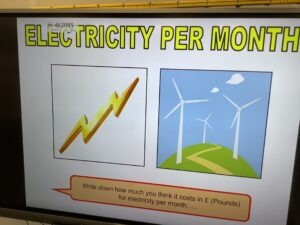
- the price of some everyday products
- different charities and that some people choose to donate to charities
- different countries using different currencies
The children were very surprised at how expensive everyday items can be!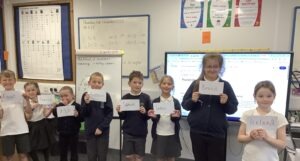
Help at home by discussing the learning from this week. Why not add up the cost of items in a weekly shop or discuss the value of different coins?
JLT
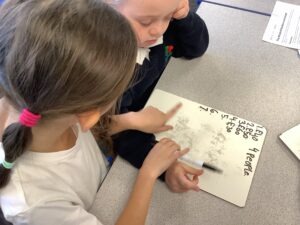
Say hello to our fantastic new Junior Leadership Team. We had our first meeting today where we discussed potential school charities for this academic year. We look forward to announcing our chosen charity this Friday during our Golden assemblies.
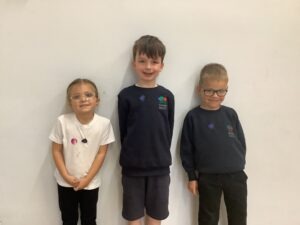
Key Stage 1
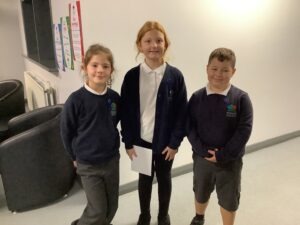
Lower Key Stage 2
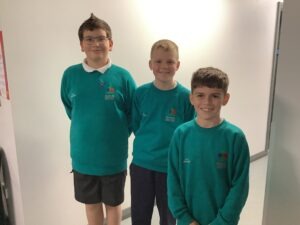
Upper Key Stage 2
Do you have a child due to start primary school in 2026?

A video and FAQ’s are available for more support and guidance with applications.
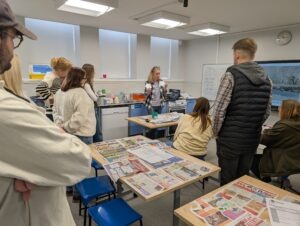
Training day – Arty Ideas!
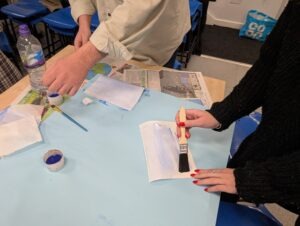
We thought you’d enjoy hearing a little about what went on during our recent teacher training day! Part of the day was dedicated to developing our art knowledge and skills with our resident art teacher, Mrs Boulton.
Teachers got hands-on with paints, pastels and even soap! There was plenty of colour, laughter, and even a bit of friendly competition as we experimented with new techniques and ideas for upcoming art lessons.
The rest of the day focussed on other important areas too, including maths and inclusion. It was a full, productive day – and we left feeling ready and excited for the next half-term!
Writing: journalistic writing
In writing, we have been writing newspaper reports.
The purpose of a news report is to tell the reader information about something that has happened.
We read a twisted version of the traditional tale The Three Little Pigs called The Three Little Wolves and the Big Bad Pig. We thought about how the original tale had been twisted and how we could twist our own version.
We thought about what a good newspaper looks like. The children took on the role of a journalist adding catchy headlines and informative sub-headings.
Help at home: ask your children to tell you the story of the three little wolves and the big bad pig. Can they do it like a news reporter?